By Khabarmala Correspondent

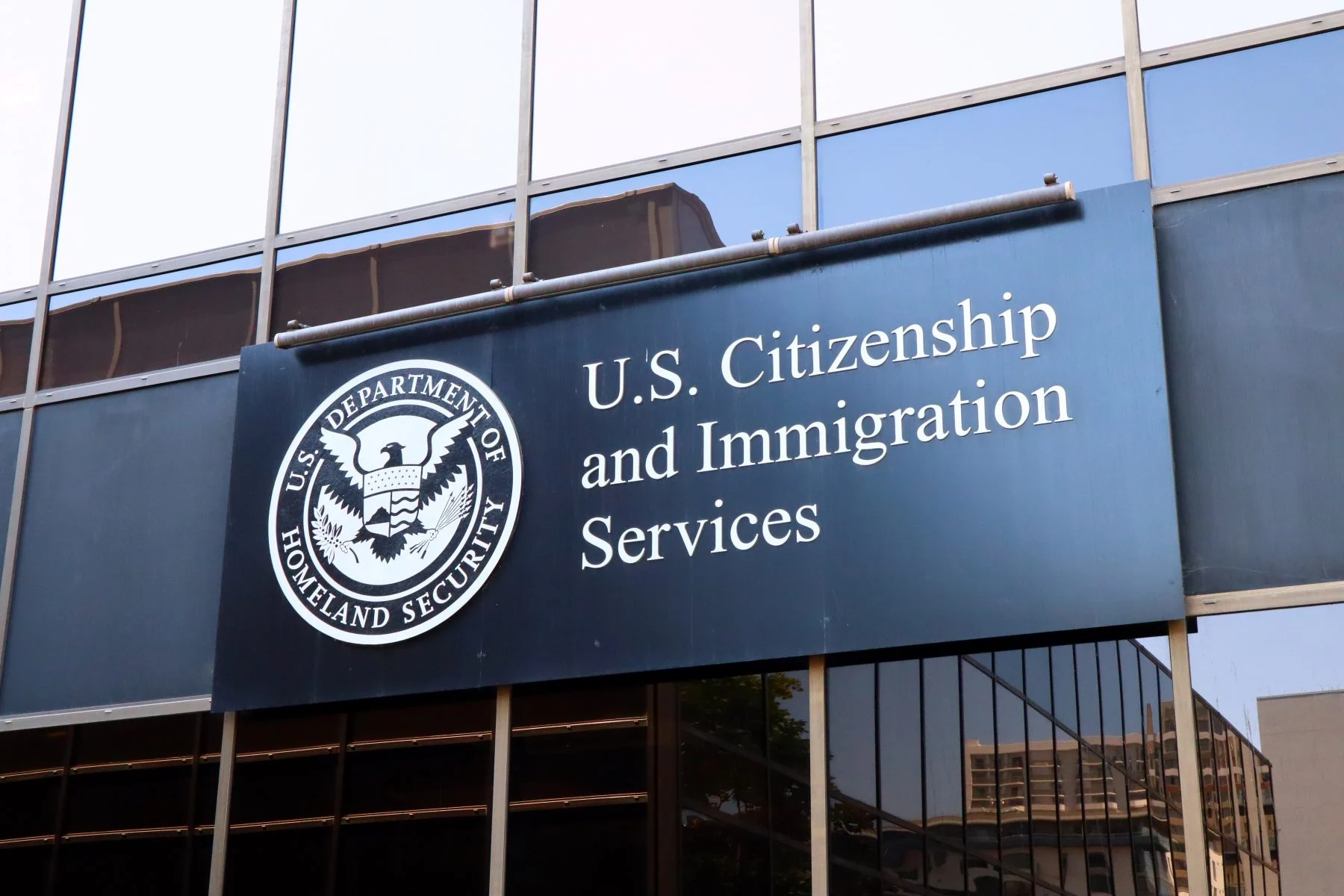
The U.S. government has launched a campaign targeting the revocation of citizenship of naturalized immigrants found to be involved in serious criminal activities. However, under U.S. law, denaturalization is applied only under strict legal standards and typically requires a court decision. Citizenship revocation is considered a complex and rare legal process.
Under the administration of Donald Trump, immigration policies have been tightened, and authorities are reportedly moving forward with reviewing the citizenship status of at least 300 naturalized U.S. citizens of foreign origin.
According to sources at the United States Department of Justice, investigations have been launched into individuals suspected of providing false information, submitting fraudulent documents, or committing misrepresentation during the naturalization process. Their cases are currently under detailed review.
Who Can Lose U.S. Citizenship?
Officials say citizenship revocation mainly targets individuals who obtained naturalization through fraud or concealment of key facts. U.S. citizenship may be revoked in the following situations:
- Fraud or Misrepresentation:
If a person lied or hid important information—such as criminal history, identity, or affiliations—during the naturalization process. - Immigration Fraud:
Cases involving fake documents, sham marriages to obtain a green card, or other fraudulent pathways to citizenship. - Serious Crimes Concealed:
If involvement in terrorism, human rights violations, or serious criminal activity was hidden while applying for citizenship. - False Military Service Claims:
Individuals who falsely claimed military service benefits to obtain fast-track citizenship may also face investigation.
Legal experts emphasize that birthright citizenship is generally not subject to revocation. Denaturalization requires a final court ruling, and individuals have the right to defend themselves in legal proceedings.
Human rights advocates have stressed the need for transparency and fairness in such processes, warning that recent moves could create fear within immigrant communities.
The recent developments have reignited debate over U.S. immigration policy and legal procedures. For immigrants living in the United States, understanding these rules is increasingly important, as only specific legal violations—primarily tied to fraud or concealment—can lead to loss of citizenship.