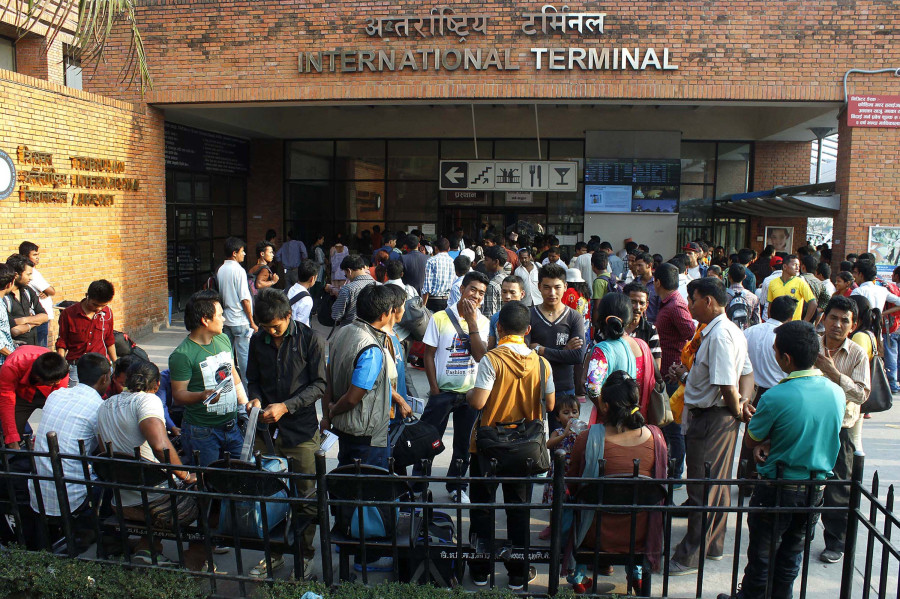
The number of Nepali immigrants in Europe has been steadily increasing in recent years, as more individuals seek better employment opportunities, education, and improved living standards beyond traditional labor destinations.
Historically, Nepali workers have migrated primarily to Gulf countries and Malaysia. However, Europe is emerging as a new and attractive destination, driven by labor shortages in several European economies and comparatively better wages and working conditions.
According to recent estimates, tens of thousands of Nepalis are now entering European countries annually for employment. The trend reflects a shift in migration patterns, with many workers either traveling directly from Nepal or transitioning from the Gulf region to Europe in search of long-term stability.

The United Kingdom remains home to the largest and oldest Nepali community in Europe, with a long history linked to Gurkha soldiers and their families. In addition, countries such as Germany, France, Portugal, Spain, Italy, and several Nordic nations have seen growing Nepali populations. More recently, Eastern European countries including Croatia, Romania, Poland, and Slovakia have also become new destinations.
Most Nepali migrants in Europe are employed in sectors such as construction, hospitality, agriculture, and cleaning services. Others are engaged in care work, security services, and small businesses. A smaller but growing number of Nepalis are pursuing higher education or working in skilled professions such as healthcare and information technology.
Despite the opportunities, many Nepali immigrants face significant challenges. High recruitment costs, debt burdens, language barriers, and legal complexities continue to affect migrant workers. Reports of exploitation by intermediaries and limited labor protections in some countries have also raised concerns among rights advocates.
At the same time, Nepali migrants play a crucial role both in their host countries and back home. In Europe, they contribute to addressing labor shortages and supporting local economies. In Nepal, remittances sent by migrant workers remain a vital source of income for millions of families and a key pillar of the national economy.
Experts say the growing trend of migration to Europe signals a broader transformation in Nepal’s foreign employment landscape. While the shift offers new opportunities, they emphasize the need for stronger regulation, better worker protection, and improved access to accurate information for prospective migrants.
As Europe continues to open new pathways for foreign workers, Nepali migration to the region is expected to grow further—bringing both promise and pressing challenges in the years ahead.