A long-standing global push to hold major carbon-emitting countries accountable for the harmful consequences of climate change is gaining concrete momentum, following a landmark advisory opinion by the International Court of Justice (ICJ). The court’s July 2025 decision states that countries responsible for contributing to climate change are legally obligated to answer for its impacts — marking a potential end to the era of impunity.

The ruling is being hailed as a milestone in global environmental justice. It provides a solid legal foundation for countries, particularly small island and Himalayan nations, which suffer the brunt of a crisis they did little to cause, to demand justice and accountability.
How this opinion will be applied in practice — how concrete and outcome-driven it becomes — remains to be seen. However, it has already sparked intense reactions across environmental and diplomatic forums worldwide.
A Youth-Led Campaign Reaches the World Court
The case made its way to the ICJ after years of advocacy from youth leaders and grassroots organizers, especially from Pacific nations like Vanuatu, who sounded the alarm over the existential threat posed by rising seas. In December 2024, 90 countries and 12 international organizations submitted legal arguments and reports to the ICJ, urging the court to clarify state responsibilities in the face of climate harm.
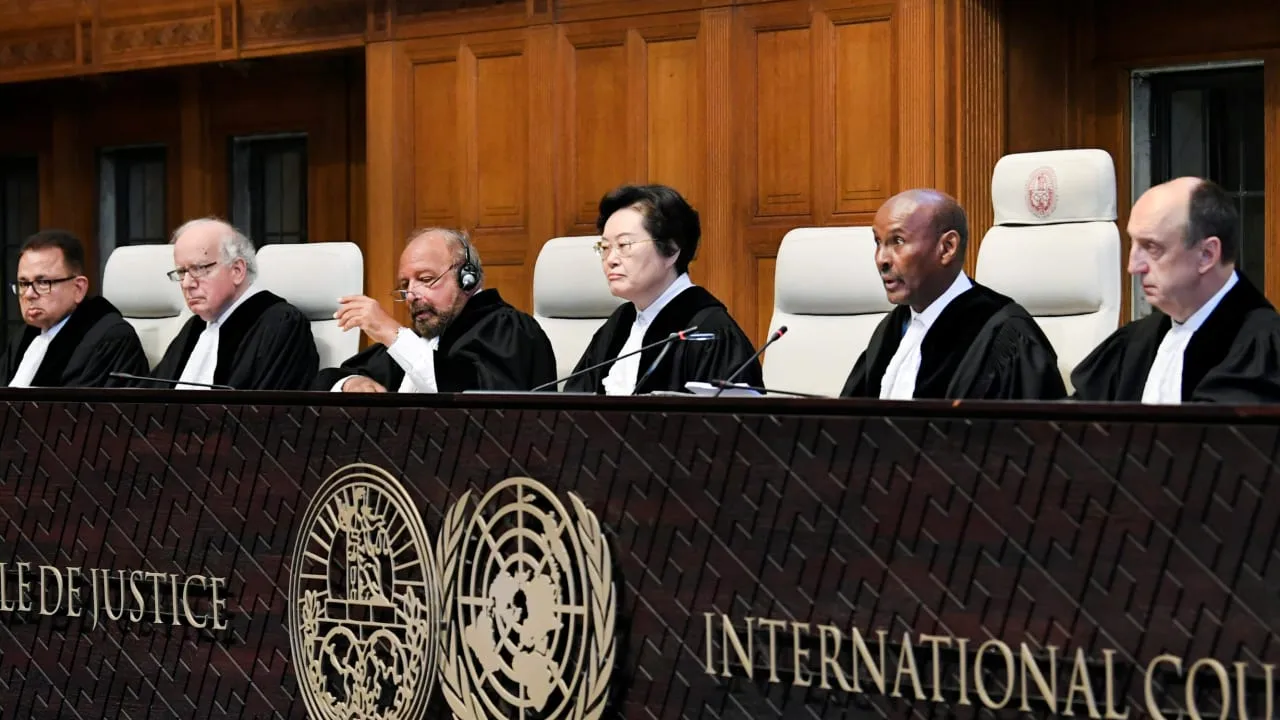
The ICJ, composed of 15 judges, issued its advisory opinion unanimously. The ruling was requested by the United Nations and will be discussed further at the upcoming General Assembly session.
A Historic Declaration
In its 140-page opinion, the ICJ declared that all countries have a legal obligation under international law to protect the climate and prevent harm. It cited existing international treaties, scientific evidence, and customary international law — norms recognized by consistent state practice — as the basis for this duty.
Specifically, the court ruled that:
-
Countries must stop harmful climate activities, particularly excessive greenhouse gas emissions.
-
They must prevent such actions from recurring in the future.
-
They must compensate affected countries — including through environmental restoration, financial payments, and formal apologies.
The court affirmed that responsibility can fall on individual states, even if climate change is a collective global issue. Moreover, under the legal principle of “common but differentiated responsibilities,” nations that have contributed more to the problem must shoulder more of the burden of repair. This concept is widely recognized in international environmental agreements.
Although the ICJ’s opinion is not legally binding and does not name specific nations or order direct reparations, it lays crucial groundwork for future legal action at both international and domestic levels.
What Does This Mean for the United States?
In the U.S., the opinion is unlikely to have an immediate legal effect. While the Constitution recognizes international law as part of domestic law, U.S. courts generally do not treat international norms as binding unless explicitly incorporated into domestic statutes. Furthermore, the U.S. has not accepted ICJ jurisdiction in past climate-related cases.
Because contentious ICJ cases require the consent of all involved nations, it is unlikely that the U.S. will face a formal trial over climate damages any time soon.
Still, the ruling sends a powerful message: no country can escape responsibility for climate harm simply because others are also to blame.
The unanimous nature of the decision is notable, especially in a time of polarized political climates in the U.S. and other industrialized nations. It reinforces the view that safeguarding the planet’s health is not just a moral or political goal, but a legal obligation shared by all.
The Bigger Picture
The ICJ’s opinion marks a turning point in the global effort to enforce accountability for climate change. Vulnerable nations now have a solid, law-backed platform to assert their rights and push for redress — including financial claims.
While it remains to be seen how this legal tool will be used in the years ahead, it provides small island nations in particular with a powerful narrative and legal leverage in the struggle for climate justice.