The administration led by U.S. President Donald Trump has introduced a major change to the permanent residency, or green card, process by implementing a stricter new policy. Under the new arrangement, the long-standing practice of applying for a green card while remaining inside the United States will be significantly limited, requiring most applicants to return to their home countries and apply through U.S. embassies or consulates.

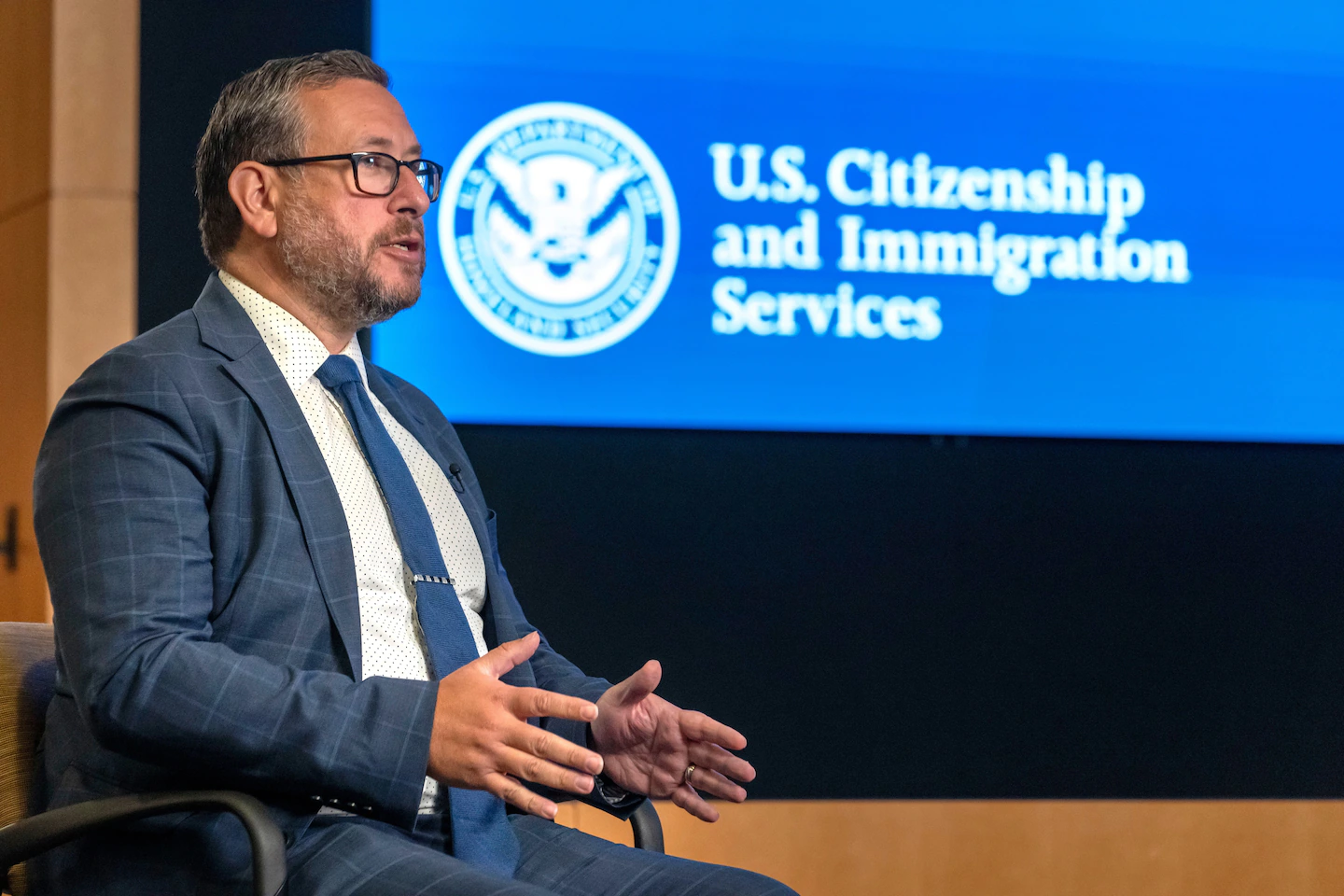
According to the new policy announced by USCIS, foreign nationals in the United States on temporary visas who wish to obtain permanent residency will generally be required to return to their home countries and apply through “consular processing.” The process of obtaining a green card while staying in the U.S. will now only be approved in “special or extraordinary circumstances.” This has created significant uncertainty for international students and those working after completing their studies in the United States.
USCIS spokesperson Jack Kohler claimed that the move aligns with the “original purpose” of U.S. immigration law. According to him, the government believes that requiring individuals who came to the United States for temporary purposes to complete permanent residency processing from their home countries will reduce the risk of people remaining in the U.S. unlawfully after their applications are denied.
The decision is expected to affect millions of immigrants legally living or working in the United States, particularly students, temporary workers, and individuals involved in family-based green card processes. Immigration attorneys have warned that the policy could separate families, disrupt employment, and increase uncertainty among communities that have lived in the U.S. for many years.
According to data from the Department of Homeland Security, approximately 1.4 million people received lawful permanent residency in fiscal year 2024. Criticism began immediately after the new policy was announced. Immigration rights advocates, attorneys, and Democratic lawmakers have described it as a move that will make legal immigration even more complicated. Critics have also warned that such restrictions could cause the United States to lose skilled talent.
Analysts say that although the Trump administration has consistently emphasized controlling illegal immigration as a priority, its recent policies indicate a broader strategy of tightening even legal immigration processes. Friday’s policy change is the latest in a series of actions taken over the past year by the Trump administration to further restrict immigration to the United States.
Last year, the Trump administration also decided to shorten visa durations for students, participants in cultural exchange programs, and individuals associated with media organizations.