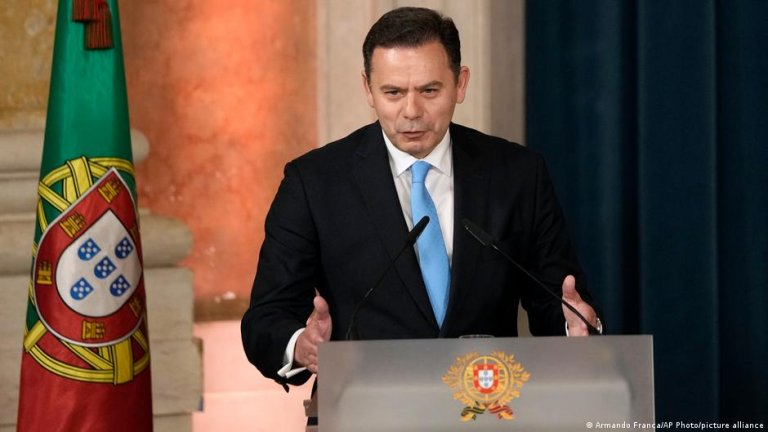
Portugal Tightens Immigration and Citizenship Rules, Raising Concerns Among Migrants
A global wave of stricter immigration laws is sweeping across countries, and Portugal’s latest measures have created a new wave of concern among immigrants. As Portugal is considered a gateway to Europe, its tightening immigration policies may signal a broader trend toward stricter immigration controls across the continent.

Portugal has introduced significant legal changes affecting the entry of foreign nationals, employment, residence permits, and the process of acquiring citizenship. The new rules mean that citizens of non-European countries, including Nepal, may have to meet additional requirements to work in Portugal, bring family members to the country, and eventually obtain Portuguese citizenship.
The number of foreign nationals holding regular residence status in Portugal rose from 388,731 in 2015 to 1,585,854 by the end of 2025.
Portugal amended its immigration legislation in 2025, followed by changes to its citizenship law in 2026. These two sets of legal changes have affected visa requirements, residence permits, and the citizenship application process in different ways.
Under the new citizenship framework, most foreign nationals may now have to wait 10 years of legal residence before becoming eligible to apply for Portuguese citizenship.
New Rules for Job-Seeker Visas
Portugal’s Law No. 61/2025 replaced the general job-seeker visa framework with a visa designed for qualified professionals seeking employment.
Under the new system, foreign nationals who wish to travel to Portugal to look for work must meet the relevant qualification requirements and any other applicable conditions.
The change may also affect people from Nepal who are planning to travel to Portugal in search of employment. Applicants should check their educational qualifications, professional skills, and the availability of the relevant visa category with Portuguese authorities before making travel arrangements.
Route to Residence Through Tourist Visas No Longer Available to New Applicants
One of the most significant changes to Portugal’s immigration system concerns the closure of a previously used route to legal residence.
Under the earlier system, some foreign nationals could enter Portugal and subsequently apply for a residence permit on the basis of employment or self-employment. However, this procedure was discontinued for new applicants in June 2024.
Subsequent legal changes have further clarified applications submitted under the previous system and the transitional provisions governing them.
This means that new applicants can no longer rely on the former procedure of entering Portugal on a tourist visa, finding work, and then applying for a residence permit through that route.
Entering Portugal with the appropriate visa and following the legally prescribed procedures has therefore become increasingly important.
New Conditions for Family Reunification
Foreign nationals legally residing in Portugal can still bring their spouses, children, and other family members who qualify under the law. However, applicants must meet requirements relating to their residence status, family relationships, financial resources, and supporting documentation.
As the new legal framework has introduced changes to family reunification procedures, Nepalis working in Portugal should check their residence permit status and the applicable rules before applying to bring family members to the country.
Ten Years of Residence Required for Citizenship
Changes to Portugal’s citizenship law have also affected the length of residence required for foreign nationals to become eligible to apply for citizenship.
Under the new framework, citizens of most non-European countries, including Nepal, are generally required to complete 10 years of legal residence in Portugal before applying for Portuguese citizenship. A seven-year residence period has been specified for citizens of Portuguese-speaking countries and European Union member states.
Meeting the residence requirement alone will not be sufficient to obtain citizenship. Applicants will also have to satisfy requirements relating to the Portuguese language, the country’s history and culture, national symbols, and the rights and responsibilities of citizens.
Additional provisions concerning criminal records and other eligibility criteria will also apply.
Whether the previous rules remain applicable to applications submitted before the new law took effect may depend on the application date and the relevant transitional provisions.
People who have already submitted citizenship applications should therefore confirm which rules apply to their individual circumstances with the relevant Portuguese authorities or a qualified immigration lawyer.
How Will Portugal’s New Immigration Rules Affect Its 56,000 Nepalis?
The number of Nepali nationals living in Portugal has continued to rise, and the country’s latest immigration and citizenship reforms could affect those planning to work, reunite with family members, or establish long-term residence there.
According to data from Portugal’s National Institute of Statistics (INE), the number of Nepali citizens living in Portugal reached 56,866 in 2025. This makes Nepalis the country’s fifth-largest immigrant group.
The community comprises 38,335 men and 18,531 women. Nepalis who have already acquired Portuguese citizenship are not included in these figures.
The Nepali population in Portugal has increased by 136.8 percent over the past four years.
People planning to travel from Nepal to Portugal should carefully check the appropriate visa category, the nature of the intended employment, and any qualification requirements before making arrangements. Nepalis already living in Portugal should also obtain official information about residence permit renewals, family reunification procedures, and the residence period and eligibility requirements for citizenship.
Portugal’s immigration legislation and citizenship law are separate legal frameworks and should not be treated as a single set of rules. Applicants should verify the provisions applicable to their individual circumstances, particularly those concerning new visa categories, family reunification, and citizenship applications.
Portugal has introduced changes through Immigration Law No. 61/2025 and Citizenship Law No. 1/2026, affecting entry, residence permits, family reunification, and access to citizenship.
Under the revised citizenship framework, citizens of Nepal and most other non-European countries are generally required to complete 10 years of legal residence before applying for Portuguese citizenship through naturalization. New conditions have also been introduced for family reunification, including minimum periods of lawful residence in certain cases.
Two-Year Residence Requirement for Family Reunification
Foreign nationals legally residing in Portugal can continue to apply to bring their spouses, children, and other family members who qualify under the law. However, the revised immigration legislation establishes additional conditions for family reunification.
Under the general rule, the sponsor—the person already residing in Portugal—must hold a valid residence permit for at least two years before applying for family reunification.
For spouses, the qualifying period may be reduced to 15 months if specific conditions are met. In such cases, the couple must provide evidence that they lived together for at least 18 months before entering Portugal.
Exceptions to the waiting period may apply to minors, dependent persons with disabilities, and certain other categories of family members specified by law.
Proof of Accommodation and Income Required
Applicants seeking family reunification may be required to demonstrate that they have adequate accommodation for their family members and sufficient financial resources to support them.
They may also need to submit documents proving family relationships, valid residence status, and other paperwork requested by the relevant authorities.
Family members who enter Portugal through family reunification may also have to meet language, social integration, and other legal requirements, depending on their circumstances.
New Rules for Job-Seeker Visas
Portugal introduced a qualified job-seeker visa framework, replacing the general job-seeker visa, effective October 23, 2025.
Under the new system, foreign nationals seeking employment in Portugal must meet the relevant qualification requirements and other conditions applicable to the visa category.
The change could affect Nepalis planning to travel to Portugal for work. Prospective applicants should confirm their eligibility and the availability of the relevant visa with Portuguese authorities before making travel arrangements.
The previous procedure that allowed some foreign nationals to enter Portugal and subsequently apply for residence permits on the basis of employment or self-employment was closed to new applicants in June 2024.
Consequently, new applicants should not rely on the former route of entering Portugal on a tourist visa, finding employment, and then seeking a residence permit through that procedure.
Nepal Expands Its Diplomatic Presence in Portugal
As the Nepali population has grown, the institutional presence of Nepali organizations in Portugal and the Nepal government’s diplomatic engagement have also expanded.
In 2023, the Nepal government initiated efforts to establish a Nepali embassy in Portugal. In November of that year, Portugal agreed to the establishment of a Nepali embassy in Lisbon. The embassy was subsequently established in Lisbon in 2024.
Portugal has also moved to expand its diplomatic presence in Nepal. After Portugal sought Nepal government approval to establish a consular office in Kathmandu, the Cabinet decided on August 11, 2026, to approve the establishment of the office.
Portugal subsequently sought permission to establish a higher-level diplomatic mission in the form of a consulate general rather than a consular office.
Against the backdrop of this growing Nepali community, the Non-Resident Nepali Association (NRNA) Portugal is preparing to bring its office into operation in Lisbon.
According to the association, the office will enable members of the Nepali community to access information, services, assistance, and advice directly.
Portugal’s Foreign Resident Population Has More Than Quadrupled in a Decade
The number of foreign nationals living in Portugal has increased significantly over the past decade.
In 2015, Portugal had 388,731 foreign nationals with regular residence status. By the end of 2025, the figure had risen to 1,585,854.
Available data show that the number of foreign residents increased by more than 1.197 million over the 10-year period, representing growth of approximately 308 percent compared with 2015. In other words, the foreign resident population grew to more than four times its earlier size.
According to figures based on data from Portugal’s Agency for Integration, Migration and Asylum (AIMA), the share of foreign nationals in the country’s total population has also expanded.
By the end of 2025, foreign nationals accounted for approximately 13.9 percent of Portugal’s total population.
Brazil and Other Countries Account for Major Immigrant Communities
Brazilian nationals make up the largest group of foreign residents in Portugal.
According to 2024 data, approximately 484,600 Brazilian citizens were living in Portugal. Indian and Angolan nationals also represent significant immigrant communities.
Portugal continues to attract immigrants from South America, Africa, and Asia. Employment opportunities, education, family reunification, and the pursuit of a safer and more stable life are among the principal reasons people move to the country.
As Portugal tightens its immigration and citizenship rules, prospective migrants and those already living there will need to pay closer attention to changes in visa eligibility, residence requirements, family reunification procedures, and the path to citizenship.