When the position of ambassador remains vacant in a country for an extended period, it can create a diplomatic vacuum. Under normal circumstances, such a vacancy may not have an immediate impact. But at a time when Nepal needs to mobilize international assistance and support following the floods in Rasuwa, diplomatic representation becomes particularly important.

At present, ambassadorial posts in some of Nepal’s major and most powerful partner countries remain vacant. In such circumstances, the diplomatic vacuum is likely to make it difficult for Nepal to secure the level of assistance and support it would otherwise be able to mobilize.
For some time now, ambassadorial positions in 21 countries have remained vacant. Among them, Nepali ambassadors have been absent from 11 countries for nearly 10 months, while six other diplomatic missions have been without ambassadors for around four months.
The new government has given relatively low priority to the diplomatic sector. Although it called for applications for ambassadorial appointments, the process remains pending. As a result, the level of foreign assistance and commitments that Nepal should be receiving has not materialized, while high-level political dialogue has also been weakening.
An ambassador is the political representative of the government in the host country and plays an important role in maintaining regular high-level communication between the two governments, resolving problems and building trust. In the absence of an ambassador, such dialogue may be limited largely to acting ambassadors or lower-level officials.
During emergencies such as natural disasters, diplomatic disputes or other crises, immediate political access is essential. Without an ambassador, direct access to decision-makers becomes weaker. Nepal’s embassies, operating largely through career officials without political leadership, are unlikely to achieve significant diplomatic gains in such circumstances.
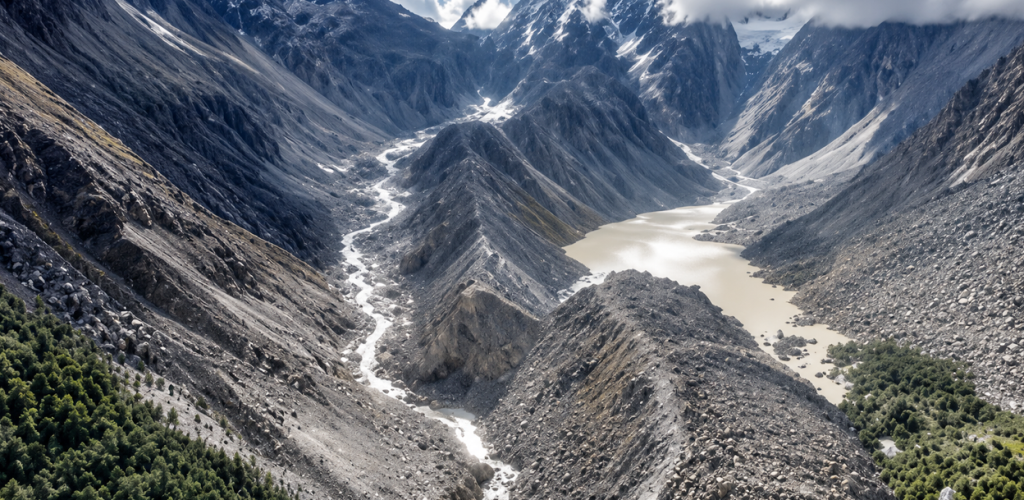
The government has already appealed for international assistance for the Bhotekoshi floods. However, compared with the level of international attention and urgency Nepal received following the earthquake in the past, the response to the current disaster appears relatively limited. The diplomatic vacuum is one of the factors that may help explain this difference.
Ambassadors play an active role in attracting grants and investment, advancing trade agreements, promoting tourism, securing development assistance and facilitating government-to-government and business-to-business contacts. Prolonged vacancies can slow down such initiatives.
In diplomacy, presence itself matters. When another country is increasing the priority it attaches to its relationship with Nepal, leaving Nepal’s embassy without a permanent ambassador can be interpreted as a signal that Nepal is giving less priority to that bilateral relationship.
Nepal’s failure to appoint ambassadors to important countries for months or even years should therefore not be viewed merely as an administrative problem. It can also be seen as a question of diplomatic priorities.
The consequences are particularly serious when ambassadorial positions remain vacant in India, China, the United States, the United Kingdom, Japan, major European countries, or countries with large populations of Nepali citizens. Yet the government has not demonstrated the level of seriousness that the situation demands.
The Ministry of Foreign Affairs had invited applications in May 2026 for ambassadorial appointments to various countries. However, there is still little indication that appointments will be made immediately.
The prolonged delay in appointing ambassadors to Nepal’s diplomatic missions abroad has raised questions about the country’s diplomatic presence. Diplomats have warned that although embassies continue to function without ambassadors, the absence of political leadership for months in important countries increases the risk of weakening Nepal’s political access, high-level dialogue and representation of national interests.
This is not merely an administrative issue concerning the filling of vacant positions. An ambassador is Nepal’s highest-ranking political and diplomatic representative in the host country. The Ministry of Foreign Affairs itself defines an ambassador as Nepal’s highest-level diplomatic representative to a foreign country or international organization, with primary responsibility for advancing bilateral relations, protecting national interests and pursuing Nepal’s foreign-policy objectives.
For a country like Nepal, with a relatively small economy and limited diplomatic resources, the role of ambassadors is even more important.
When Nepali citizens are arrested abroad, workers face problems, accidents occur, emergency evacuations are required or disputes arise between two countries, high-level political contacts become essential. At a time when all these challenges remain possible, it is unfortunate that the state leadership does not appear sufficiently serious about completing ambassadorial appointments.
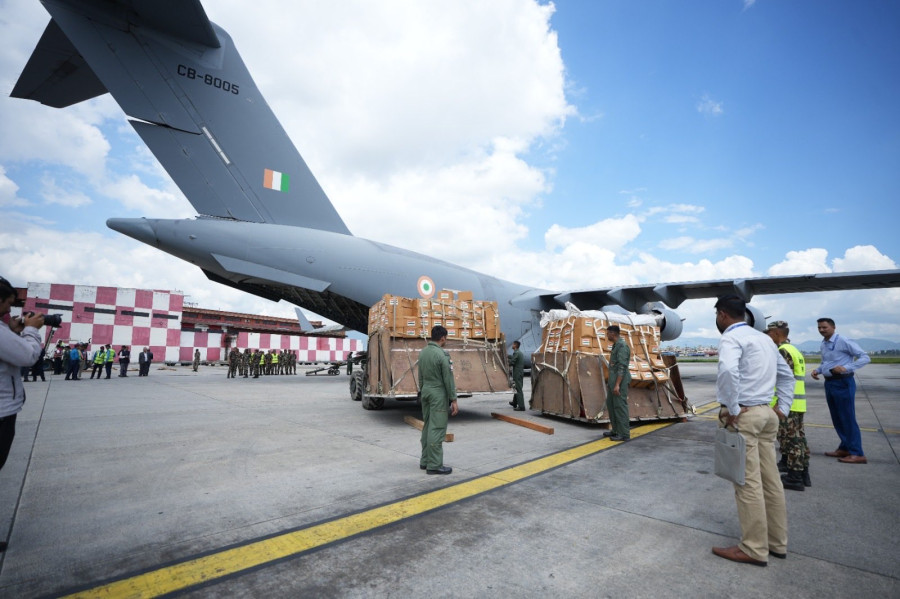
During the recent Bhotekoshi floods, countries including South Korea, India, China, the United States, the United Kingdom and Japan had offered to send search-and-rescue teams. The crisis demonstrated how important diplomatic leadership can be in coordinating immediate and effective assistance from foreign governments.
In the absence of ambassadors, Nepali officials in those countries were largely left waiting for direction from Kathmandu.
Nepal now needs to make foreign assistance and investment, tourism, trade, employment, development cooperation and technology transfer important components of its foreign policy. When an embassy lacks ambassadorial leadership, its ability to take high-level initiatives with the host government and private sector on such issues becomes weaker.
Not all countries have the same strategic importance for Nepal. The absence of ambassadors is particularly sensitive in India, China, the United States, the United Kingdom, Japan, Australia, South Korea, the Gulf countries, and countries with large populations of Nepali workers and students.
Nepal needs to prioritize economic diplomacy on one hand, the security and welfare of Nepali citizens abroad on the other, while also maintaining geopolitical balance and advancing climate and development diplomacy.
But when diplomatic leadership remains vacant in important countries for extended periods, a fundamental question arises: How can Nepal effectively present and pursue its national priorities?
The central question regarding ambassadorial appointments should no longer simply be who should be appointed ambassador, but rather why a particular country matters to Nepal and what kind of ambassador, with what capabilities and expertise, is required there.
At a time like this, the criteria the government has begun using to select ambassadors could create an even bigger problem if they further delay the process.
The longer the delay continues, the narrower Nepal’s diplomatic reach could become. The current situation is increasingly pointing toward precisely that risk.