Kathmandu — Mortuaries in hospitals across Nepal are currently holding 788 unidentified and unclaimed bodies, with limited mortuary space and inadequate infrastructure making it difficult to preserve the remains for extended periods.

According to Nepal Police, 1,634 unidentified bodies have been recovered nationwide since fiscal year 2013/14. Of these, 133 were identified and handed over to their families, 84 were transferred to teaching hospitals for medical research, and 629 were cremated or buried after completing the required legal procedures.
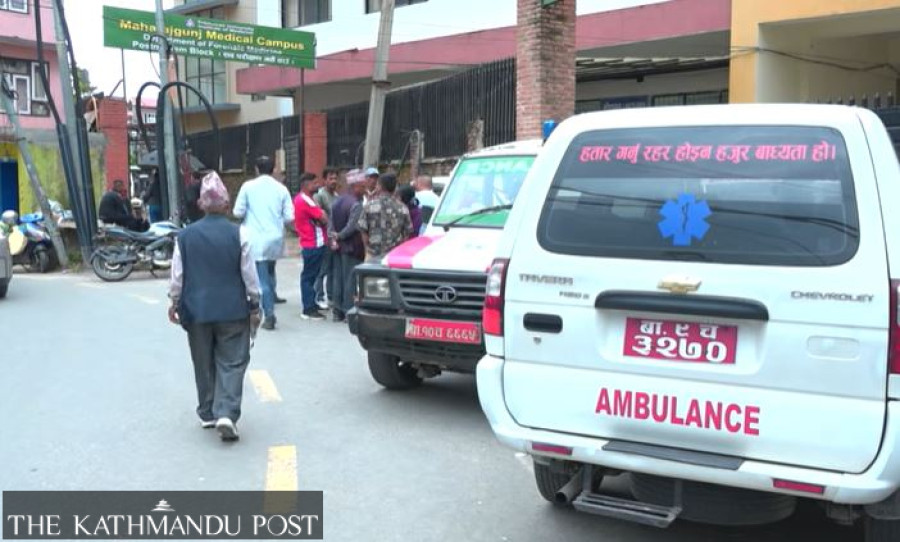
When an unidentified body is found, police prepare an official report in the presence of local representatives and begin efforts to establish the deceased’s identity and locate relatives. If no relatives are identified, the body is transferred to a hospital mortuary for preservation.
Although international practice calls for unidentified remains to be preserved for extended periods to give families time to trace missing relatives, hospitals in Nepal lack sufficient storage capacity.
Tribhuvan University Teaching Hospital in Kathmandu alone currently holds 80 unidentified bodies. Its mortuary has a capacity of 150 bodies, while around 50 unidentified bodies are received each year.
Patan Hospital in Lalitpur currently holds 16 unidentified bodies. Some unidentified bodies are also provided to medical institutions for educational purposes and are given final rites after their academic use is completed.
Police publish photographs and details of unidentified bodies on an online portal to help families searching for missing relatives. However, the lack of adequate infrastructure and mortuary capacity remains a major challenge in preserving unidentified bodies and allowing sufficient time for their identification.